Vegetable Fried Rice (Easy Vegan Takeaway-Style Recipe)
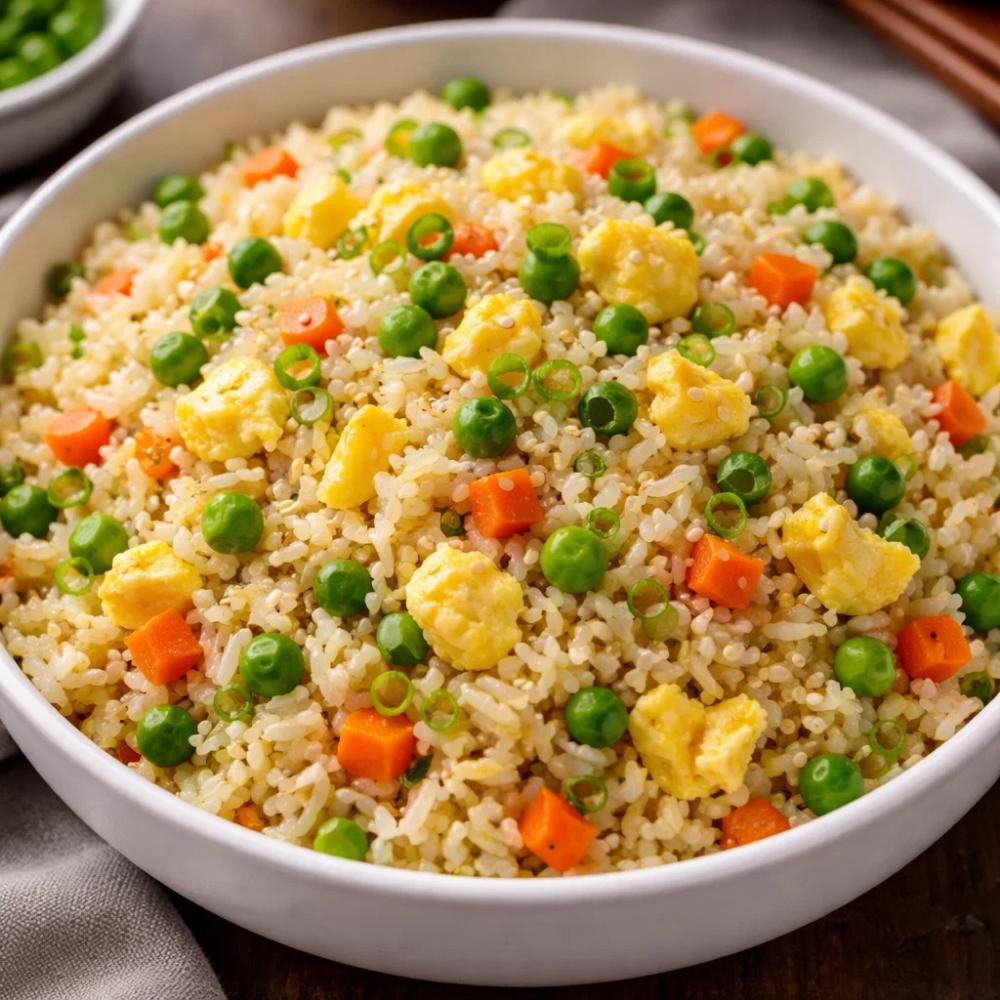
Golden, smoky fried rice packed with colourful vegetables, seasoned with soy and sesame oil. A completely vegan, endlessly customisable dish ready in 15 minutes — better than any takeaway.
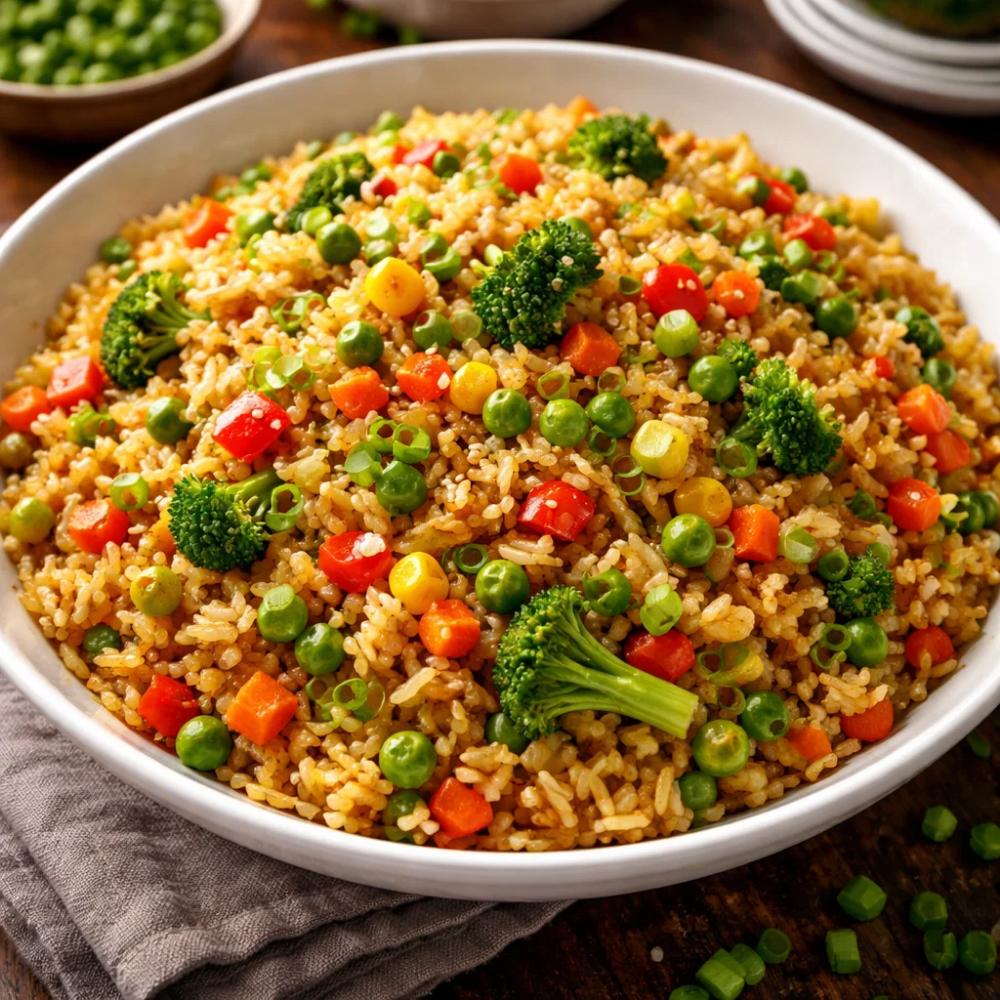
What is this dish?
Vegetable fried rice is one of the most practical and satisfying dishes in Chinese home cooking — a fast, flexible meal that transforms leftover cold rice and whatever vegetables are in the fridge into something genuinely delicious. Unlike egg fried rice, it is entirely plant-based, making it a complete vegan meal. The technique is the same as any fried rice: maximum heat, cold rice, and constant action.
Why you'll love it
This dish costs under £2 per portion, takes 15 minutes, uses up leftover rice and fridge vegetables, and produces a result that rivals any Chinese takeaway. It is flexible enough to accommodate whatever you have on hand, endlessly riffable with proteins or different vegetables, and entirely customisable in spice level. The ultimate quick, cheap, satisfying weeknight meal.
When to serve
Vegetable fried rice works as a complete vegan dinner, a side dish alongside Chinese-style mains, a fast weeknight meal from leftover rice, or a shared dish at a casual gathering. It is particularly useful as a way to use up vegetables that need cooking.
Quick tips
Cold day-old rice is the one non-negotiable rule. Prep everything before heating the pan. Maximum heat throughout. Let the rice sit undisturbed before tossing. Add soy sauce around the rim of the wok.
Day-Old Cold Rice
The essential foundation — refrigerated overnight to reduce surface moisture so each grain fries independently. This is the single factor that distinguishes great fried rice from a disappointing, clumpy result.
Oyster Sauce (or Vegetarian Version)
Adds a thick, sweet-savoury coating that soy sauce alone cannot replicate. Vegetarian oyster sauce made from mushrooms is widely available and produces an identical result in this dish. It is what gives restaurant-style fried rice its characteristic glossy, slightly sweet depth.
Sesame Oil
The finishing oil — added off the heat to preserve its intense, nutty fragrance. A teaspoon transforms the aroma of the dish completely.
Beansprouts
Added near the end of cooking, beansprouts provide a light, crunchy texture contrast to the soft rice and cooked vegetables. They cook in under a minute at high heat.
Substitution Options
Brown rice can replace white rice — it produces a nuttier, chewier result. Tamari replaces soy sauce for a gluten-free version. Hoisin sauce replaces oyster sauce with a slightly more pronounced sweetness and anise flavour. Groundnut, sunflower, or rapeseed oil can replace vegetable oil. Frozen sweetcorn, edamame, or leftover roasted vegetables can supplement or replace any of the vegetables listed.
Step-by-Step Instructions
Prepare the rice and vegetables
Use cold, day-old rice directly from the fridge. Break up any clumps with your fingers. Thaw the frozen peas by running under warm water and draining. Dice the carrot and red pepper finely and uniformly so they cook at the same rate. Have all ingredients prepped and ready before turning on the heat — this dish cooks fast.
Pro Tips:
- •Cold, dry day-old rice is essential — fresh warm rice has too much moisture and will steam and clump rather than fry.
- •Mise en place (having everything ready before you start) is crucial for stir-frying, which moves very quickly.
Stir-fry the vegetables
Heat 2 tablespoons of oil in a wok or large non-stick frying pan over maximum heat until just smoking. Add the diced carrot and red pepper first. Stir-fry for 2 minutes until slightly softened but still with bite. Add the spring onion whites, garlic, and ginger. Stir-fry for 30 seconds until fragrant.
Pro Tips:
- •The carrots go in first because they take the longest to cook. Uniform small dice (5mm) means they cook in 2 minutes over very high heat.
- •Maximum heat throughout — lower heat steams the vegetables rather than stir-frying them.
Add the rice and fry
Add the cold rice to the wok. Spread it in an even layer and press down slightly. Cook undisturbed for 1–2 minutes to let the bottom grains develop slight colour, then toss and stir vigorously for 2–3 more minutes, breaking up any remaining clumps. The rice should be hot throughout and some grains should have a light golden colour.
Pro Tips:
- •Letting the rice sit undisturbed on the hot wok creates the slightly smoky, charred notes — the characteristic 'wok hei' flavour.
- •Work quickly and keep the heat high — don't let the rice steam by covering or reducing heat.
Add peas, beansprouts, and season
Add the peas and beansprouts and toss to combine. Add the soy sauce and oyster sauce by drizzling around the rim of the wok. Toss vigorously to distribute evenly. Add white pepper. Taste and adjust seasoning with salt or more soy sauce if needed. Remove from heat. Drizzle the sesame oil over the top and toss once more.
Pro Tips:
- •Adding soy sauce around the hot rim of the wok caramelises it slightly before it reaches the rice, adding smokiness.
- •Sesame oil is a finishing oil — add off the heat to preserve its fragrance.
Serve
Transfer to bowls or plates. Scatter the spring onion greens over the top. Serve immediately.
Pro Tips:
- •Vegetable fried rice is best eaten immediately while hot and at peak texture.
- •Drizzle chilli oil or a few drops of rice vinegar over the top for extra flavour.
Chef's Tips
Techniques that separate good from great
Day-old rice is the one rule you cannot break
The difference between proper fried rice and a disappointing soggy mess is exclusively the rice. Day-old rice refrigerated overnight has lost enough surface moisture for each grain to fry independently. Freshly cooked rice, no matter how long you try to fry it, retains too much internal moisture and steams in the pan. If you only have fresh rice, spread it on a tray and refrigerate uncovered for at least 2 hours.
Prep everything before turning the heat on
Stir-frying happens at such high heat and speed that there is genuinely no time to chop, measure, or retrieve ingredients once cooking begins. Preparing every ingredient — dicing vegetables, measuring sauces, separating spring onion whites and greens — before you heat the wok is what separates a stir-fry that works from one that burns, over-cooks, or turns out uneven.
Let the rice sit undisturbed before tossing
The instinct when stir-frying is to keep things moving constantly. For fried rice specifically, letting the cold rice sit in contact with the hot wok surface undisturbed for 1–2 minutes creates the slight caramelisation and smoky character of good fried rice. Constant stirring prevents this from developing and keeps the rice uniformly pale and flavour-neutral.
Add liquid seasonings around the rim, not directly on the rice
Soy sauce and oyster sauce added by drizzling around the inner edge of a very hot wok hit the bare metal surface (around 280–300°C) before reaching the rice. This brief contact causes a rapid caramelisation of the sugars in the sauces that significantly deepens their flavour. Adding liquid directly onto the rice immediately drops the temperature and prevents this effect.
Nutrition Facts
Equipment Needed
- Wok or large non-stick frying pan (12-inch minimum)
- Spatula or wok ladle
- Knife and cutting board
- Small bowls (for prepped ingredients)
Quick Tips
- Day-old refrigerated rice is not optional — it is the single most important factor in achieving proper fried rice texture.
- Have all ingredients prepped and ready before heating the pan. Stir-frying moves faster than most cooking methods and there is no time to chop mid-cook.
- Work in batches if cooking for more than two people — overcrowding the wok reduces the temperature and causes steaming rather than frying.
Recipe Variations
Different ways to make this dish your own
Tofu Vegetable Fried Rice
Press and cube 200g of firm tofu. Pan-fry in oil until golden and crispy on all sides. Add to the wok at the same time as the rice. The crispy tofu adds protein and textural contrast.
Kimchi Vegetable Fried Rice
Add 80g of roughly chopped kimchi to the wok after the garlic stage. The fermented, spicy, tangy kimchi adds a funky, bold layer that transforms the flavour profile into a Korean-Chinese fusion.
Pineapple Fried Rice (Thai-Style)
Add 100g of diced fresh or canned pineapple chunks, reduce the oyster sauce, and add 1 teaspoon of fish sauce (or soy sauce for vegan). The sweet-sharp pineapple with fragrant rice is the classic Thai khao phad saparot.
Indonesian Nasi Goreng (Vegan)
Replace oyster sauce with 1 tablespoon of kecap manis (sweet soy sauce) and add 1 teaspoon of sambal oelek chilli paste. Top with crispy fried shallots. The sweet-spicy Indonesian version of fried rice.
What to Serve With
Perfect pairings to complete the meal
Chilli Oil or Sambal
A spoonful of chilli oil, sriracha, or sambal oelek alongside provides adjustable heat for each diner and adds a fragrant spice note.
Pickled Cucumber
Quick-pickled cucumber slices (thinly sliced cucumber with a splash of rice vinegar, sugar, and salt for 10 minutes) provide a cool, acidic counterpoint to the warm, savory rice.
Crispy Spring Rolls
Pan-fried spring rolls alongside create a complete Chinese-style meal. Dip in sweet chilli sauce or soy with a splash of rice vinegar.
Miso Soup
A small bowl of simple miso soup alongside is a Japanese-influenced accompaniment that provides warmth and a savoury, umami-rich counterpoint.
Storage & Make-Ahead
Keep it fresh and plan ahead
Refrigerator
Store in an airtight container for up to 3 days. The flavours meld and the rice actually improves slightly overnight.
Freezer
Not recommended — the vegetables become mushy and the rice texture deteriorates on thawing.
Make-Ahead
Cook the rice 1–2 days ahead and refrigerate. Everything else is cooked fresh in 10 minutes.
Reheating
Reheat in a hot wok or frying pan with 1 tablespoon of oil and a splash of water, tossing over high heat for 2–3 minutes until piping hot. Avoid the microwave — it unevenly heats the rice and makes it gummy.
Be the first to review this recipe!
Got Leftovers?
Turn what you already have in your fridge into delicious meals. Our AI-powered generator creates personalized recipes from your ingredients.
You Might Also Like
Discover more delicious recipes similar to what you're cooking