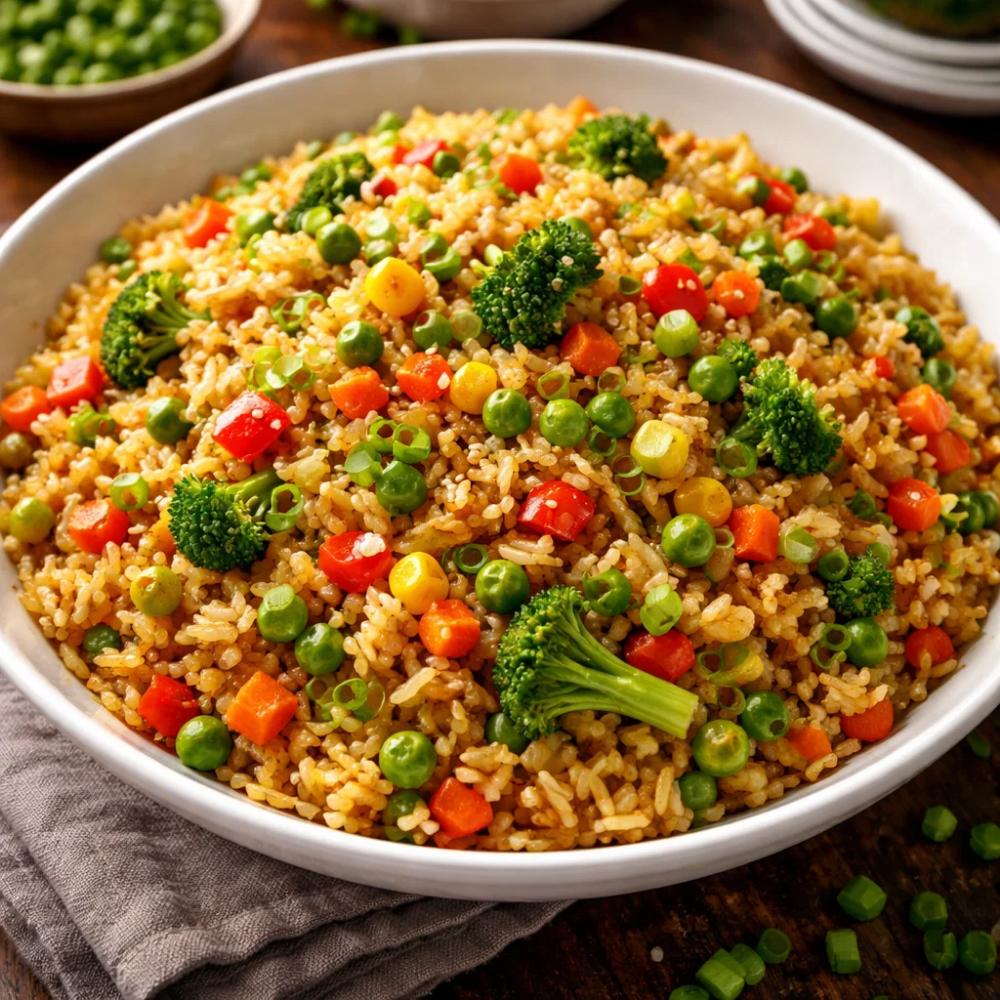
Simple Egg Fried Rice (Better Than Takeaway — 15-Minute Recipe)
Golden, smoky egg fried rice with perfectly separated grains, seasoned with soy sauce and sesame oil. Ready in 15 minutes using day-old rice — cheaper and tastier than any takeaway.
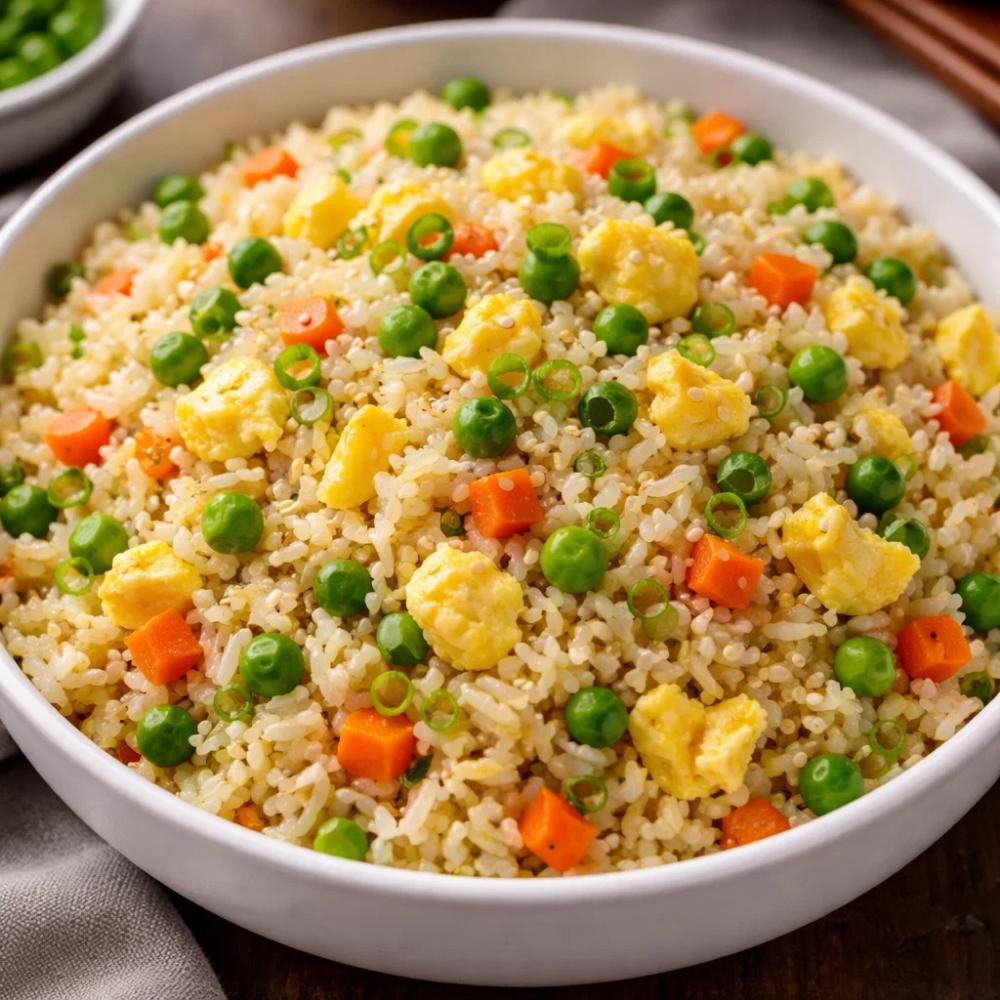
What is this dish?
Egg fried rice (蛋炒饭, dàn chǎo fàn) is one of the most fundamental dishes in Chinese home cooking — a fast, practical way to use leftover cold rice, producing something far greater than the sum of its parts. At its simplest, it is just rice, eggs, soy sauce, and spring onions cooked at high heat. Done correctly, with cold day-old rice and a smoking hot wok, the result is golden, smoky, and satisfying in a way that surpasses most takeaway versions.
Why you'll love it
This recipe costs under £2 per portion and is ready in 15 minutes, yet the technique — high heat, day-old rice, eggs cooked separately, soy sauce drizzled on the hot metal — produces a result that genuinely rivals a good Chinese restaurant. It is the perfect use for leftover rice and is infinitely customisable with whatever vegetables or protein you have available.
When to serve
Egg fried rice works as a complete quick dinner on its own, as a side dish alongside Chinese-style dishes like kung pao chicken or mapo tofu, or as a late-night fridge-raid meal. It is the ideal weeknight dish when you have leftover rice and want something ready in under 15 minutes.
Quick tips
Cold day-old rice is essential — do not skip this. Maximum heat throughout. Cook the eggs separately first. Drizzle soy sauce around the rim of the wok. Add sesame oil only at the very end off the heat.
Day-Old Cold Rice
The fundamental ingredient that determines success. Refrigerated rice has lost enough surface moisture for each grain to fry separately rather than clump. It is not a preference — fresh rice produces an inferior result.
Sesame Oil
Added as a finishing oil rather than a cooking oil. Its low smoke point means it burns if used for frying, but a teaspoon drizzled over hot rice off the heat releases intense, nutty fragrance that is characteristic of Chinese fried rice.
White Pepper
Preferred over black pepper in Chinese fried rice for its slightly sharper, more pungent, earthy flavour. A small amount adds warmth without the visible flecks of black pepper.
Spring Onions
Used in two stages — the white ends cooked with garlic at the start provide an allium backbone, while the sliced green tops scattered raw on top at the end add fresh, sharp fragrance and colour.
Substitution Options
Tamari replaces soy sauce for a gluten-free version with identical flavour. Groundnut, sunflower, or any neutral high-smoke-point oil can replace vegetable oil — never use olive oil, which burns at wok temperatures. Oyster sauce (1 tablespoon) can replace half the soy sauce for additional depth and a slight sweetness. Black pepper can replace white pepper with slightly different character.
Step-by-Step Instructions
Prepare the rice
Use cold, day-old rice straight from the fridge. Break up any clumps with your hands or a fork before cooking — each grain should be separate. If you only have freshly cooked rice, spread it on a baking tray and refrigerate for 30 minutes to dry it out.
Pro Tips:
- •Cold, dry rice is the non-negotiable secret to egg fried rice. Warm or freshly cooked rice has too much moisture and steams rather than fries, producing a clumpy, stodgy result.
- •Jasmine rice is the classic choice for its fragrance, but any long-grain white rice works well.
Scramble the eggs
Heat 1 tablespoon of oil in a wok or large non-stick frying pan over high heat until smoking. Add the beaten eggs and scramble quickly for 30–45 seconds until just set but still slightly wet. Break into small pieces with a spatula. Remove and set aside on a plate.
Pro Tips:
- •Cook the eggs separately so they stay fluffy and distinct rather than coating the rice.
- •High heat is essential — the eggs should sizzle and set almost immediately.
Fry the rice
Add the remaining 2 tablespoons of oil to the wok over the highest possible heat. Add the white parts of the spring onions and the minced garlic. Stir-fry for 30 seconds. Add the cold rice and spread it in an even layer across the wok. Press down and let it cook undisturbed for 1–2 minutes so the bottom grains develop a slight crust. Then toss and stir vigorously, breaking up any clumps, for 2–3 more minutes.
Pro Tips:
- •Do not stir constantly — letting the rice sit in contact with the hot wok creates the smoky, slightly charred flavour called 'wok hei'.
- •A very hot wok is the most important factor — if your pan isn't smoking hot, the rice will steam instead of fry.
Season and combine
Add the soy sauce and white pepper to the rice and toss to coat every grain evenly. Add the peas if using and toss again. Return the scrambled eggs to the wok and toss everything together. Drizzle the sesame oil over the top and toss once more. Taste and adjust seasoning with salt or more soy sauce.
Pro Tips:
- •Add soy sauce around the rim of the hot wok rather than directly on the rice — it hits the hot metal and caramelises before mixing in, adding smokiness.
- •Sesame oil is a finishing oil — add it off the heat to preserve its delicate, nutty fragrance.
Serve
Transfer to serving bowls or plates. Scatter the green parts of the spring onions over the top. Serve immediately while piping hot.
Pro Tips:
- •Egg fried rice waits for no one — serve immediately for the best texture and temperature.
- •A drizzle of chilli oil or a few drops of oyster sauce on top adds an optional extra layer of flavour.
Chef's Tips
Techniques that separate good from great
Use day-old rice — it is the single most important factor
Freshly cooked rice contains too much surface moisture. When it hits a hot wok, it steams instead of frying, producing a sticky, clumping mess. Day-old rice that has been refrigerated overnight has dried out significantly, allowing each grain to fry independently and develop the characteristic slightly chewy, separated texture of great egg fried rice.
Get the wok smoking before adding oil
The key to restaurant-quality fried rice is wok hei — the faintly smoky, slightly charred flavour that comes from cooking in an intensely hot wok. Heat your wok empty over maximum heat until it just begins to smoke, then add the oil. The oil hits a surface significantly hotter than its smoke point for an instant, creating brief, flavourful char on the rice grains.
Drizzle soy sauce around the rim, not onto the rice
Adding soy sauce by pouring it around the inner edge of a very hot wok means it hits the hot metal (around 300°C) before touching the rice. This flash-caramelises the sugars in the soy sauce in a fraction of a second, adding a subtle smoky, Maillard-reaction depth that adding it directly to the rice never achieves.
Cook the eggs separately and add them last
Many home cooks push the rice to the side and scramble the eggs in the middle, which results in large, rubbery chunks mixed unevenly through the rice. Cooking the eggs separately first in a very hot oiled wok creates light, fluffy, small scrambled pieces. Adding them at the end as a final toss coats every grain without breaking the eggs down further.
Nutrition Facts
Equipment Needed
- Wok or large non-stick frying pan (12-inch minimum)
- Spatula or wok ladle
- Mixing bowl (for beaten eggs)
- Knife and cutting board
Quick Tips
- Day-old refrigerated rice is mandatory for proper fried rice — fresh rice has too much moisture and will turn mushy and clump together.
- The highest possible heat throughout cooking is what produces the slightly smoky, restaurant-quality flavour. A wok on a gas hob achieves the best results.
- Add the soy sauce by drizzling it around the edge of the wok — the hot metal caramelises it before it reaches the rice, adding depth and colour.
Recipe Variations
Different ways to make this dish your own
Chicken Egg Fried Rice
Add 150g diced cooked chicken breast or thigh to the wok after the rice has been frying for 2 minutes. Toss to heat through before adding the soy sauce. The most popular takeaway-style version.
Prawn Egg Fried Rice
Add 150g raw peeled king prawns to the wok just before the rice. Stir-fry for 1–2 minutes until pink and just cooked through, then add the rice. The juices from the prawns add excellent flavour to the rice.
Vegetable Egg Fried Rice
Add diced frozen carrots, sweetcorn, and beansprouts along with the peas. A heartier, more colourful version that works as a complete vegetarian main course.
Kimchi Egg Fried Rice
Add 80g of roughly chopped kimchi to the wok along with the garlic. The fermented cabbage adds a funky, spicy, deeply savoury layer that elevates the dish significantly. A Korean-Chinese fusion that is wildly popular.
What to Serve With
Perfect pairings to complete the meal
Chilli Oil or Chilli Crisp
A tablespoon of Lao Gan Ma chilli crisp or any good chilli oil drizzled over the finished rice adds heat, fragrance, and texture in one go. Highly recommended for those who enjoy spice.
Chinese Cucumber Salad
Smacked cucumber dressed with rice vinegar, sesame oil, garlic, and chilli provides a cool, crunchy, acidic counterpoint to the warm, rich fried rice.
Soy-Braised Eggs (Shoyu Tamago)
Halved soft-boiled eggs marinated in soy, mirin, and miso placed on top of the rice make a simple bowl into a more substantial, visually appealing meal.
Gyoza or Spring Rolls
Crispy pan-fried gyoza or spring rolls alongside the fried rice make a complete, satisfying takeaway-style meal at home for a fraction of the cost.
Storage & Make-Ahead
Keep it fresh and plan ahead
Refrigerator
Store leftovers in an airtight container for up to 2 days. The rice absorbs soy sauce flavour as it sits, often tasting better the next day.
Freezer
Not recommended — the texture deteriorates and the eggs become rubbery after freezing and reheating.
Make-Ahead
Cook the rice 1–2 days ahead and refrigerate uncovered for the last few hours to maximise drying. Everything else is made fresh in 10 minutes.
Reheating
Reheat in a hot wok or frying pan with a small splash of water, tossing constantly over high heat for 2–3 minutes. Avoid the microwave — it makes the rice unevenly hot and steams rather than fries.
Be the first to review this recipe!
Got Leftovers?
Turn what you already have in your fridge into delicious meals. Our AI-powered generator creates personalized recipes from your ingredients.
Browse more like this:
You Might Also Like
Discover more delicious recipes similar to what you're cooking