Classic Scrambled Eggs — Soft, Creamy and Perfect Every Time
Silky, custardy scrambled eggs using the low-and-slow technique. Creamy, buttery, and ready in under 10 minutes — the benchmark quick breakfast.
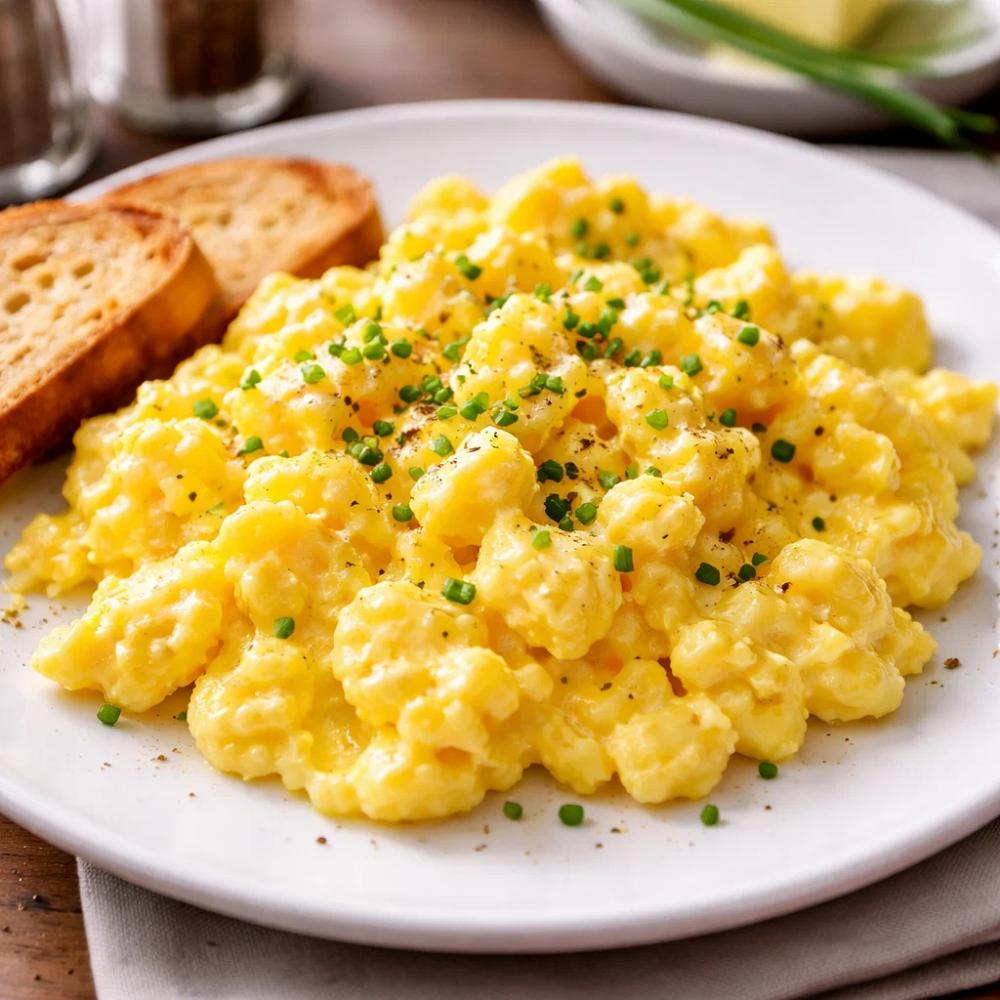
What is this dish?
Perfectly scrambled eggs — silky, buttery, and just set — are one of cooking's most deceptively simple achievements. Using the low-and-slow method, eggs are folded gently over minimal heat into large custardy curds that are creamy rather than rubbery.
Why you'll love it
This method works every time with just four ingredients in under 10 minutes. The technique produces eggs that are genuinely better than most café breakfasts. Once mastered, you'll never go back to high-heat scrambled eggs.
When to serve
Perfect for a quick weekday breakfast on toast, as part of a weekend brunch spread, or alongside smoked salmon for something more special.
Quick tips
Low heat and patience are the only skills required. Pull eggs off the heat just before they look done — they always finish cooking from residual heat. Serve immediately.
Eggs
The entire dish. Use the freshest eggs you can find — free-range eggs have richer, more golden yolks that improve both colour and flavour.
Butter
Adds richness and prevents sticking. Use unsalted so you can control seasoning precisely. The finishing knob of cold butter is key to a glossy result.
Cream or Milk
A small amount of fat loosens the mixture and contributes to silkier texture. Heavy cream produces noticeably richer results than milk.
Substitution Options
Swap butter for olive oil for a dairy-free version. Use oat milk instead of dairy milk. Add a tablespoon of cream cheese for extra richness and a slightly tangy flavour. For more protein, add one extra egg white per serving.
Step-by-Step Instructions
Beat the eggs
Crack the eggs into a bowl. Add the milk or cream and a pinch of salt. Beat with a fork until yolks and whites are fully combined — about 30 seconds. Do not over-beat.
Pro Tips:
- •Room temperature eggs scramble more evenly than fridge-cold ones.
- •Add most of the salt after cooking — salting raw eggs early draws out moisture.
Melt butter over low heat
Place a non-stick pan over low heat. Add the butter and let it melt slowly — it should foam gently but not sizzle. If it browns immediately, the pan is too hot.
Pro Tips:
- •Low heat is the single most important factor for creamy eggs.
- •A cold pan heated gradually is better than a pre-heated pan.
Scramble slowly
Pour in the egg mixture. Using a silicone spatula, push and fold from the edges to the centre in wide, slow sweeps. Remove from heat every 30 seconds if eggs are cooking too fast. Stop when just slightly underdone — they finish from residual heat.
Pro Tips:
- •Target large, custardy curds — not small, rubbery bits.
- •The whole scrambling process should take 3–4 minutes.
Season and serve
Remove from heat while eggs are still slightly glossy. Add a final pinch of salt and pepper and a small knob of cold butter, stirring through to add gloss. Serve immediately on hot buttered toast.
Pro Tips:
- •Eggs continue cooking for 30 seconds off heat — always pull just before they look done.
- •Serve immediately — scrambled eggs don't hold.
Chef's Tips
Techniques that separate good from great
Stir in cold butter off the heat
A small piece of cold butter stirred in just before serving halts cooking instantly and adds a glossy, restaurant-quality finish. This is the single biggest difference between home and professional scrambled eggs.
Season after cooking, not before
Salt added to raw eggs draws out moisture and can produce slightly watery, tougher results. Season lightly before, but add the main seasoning off heat just before serving.
Use heavy cream instead of milk
Heavy cream produces noticeably silkier eggs than milk. The higher fat content slows cooking and adds richness that milk simply cannot match.
Cook in a bain-marie for ultimate control
For the softest possible eggs, cook in a heatproof bowl set over barely simmering water. The indirect heat makes overcooking almost impossible — this is the French chef's method.
Nutrition Facts
Equipment Needed
- Non-stick frying pan
- Silicone spatula
- Mixing bowl
- Fork
Quick Tips
- Low heat and patience are the only technique required — high heat produces dry, rubbery eggs.
- Pull off heat 30 seconds before they look done; residual heat finishes the cooking.
- A silicone spatula gives the widest, most delicate folds — don't use a wooden spoon.
Recipe Variations
Different ways to make this dish your own
Smoked Salmon Scrambled Eggs
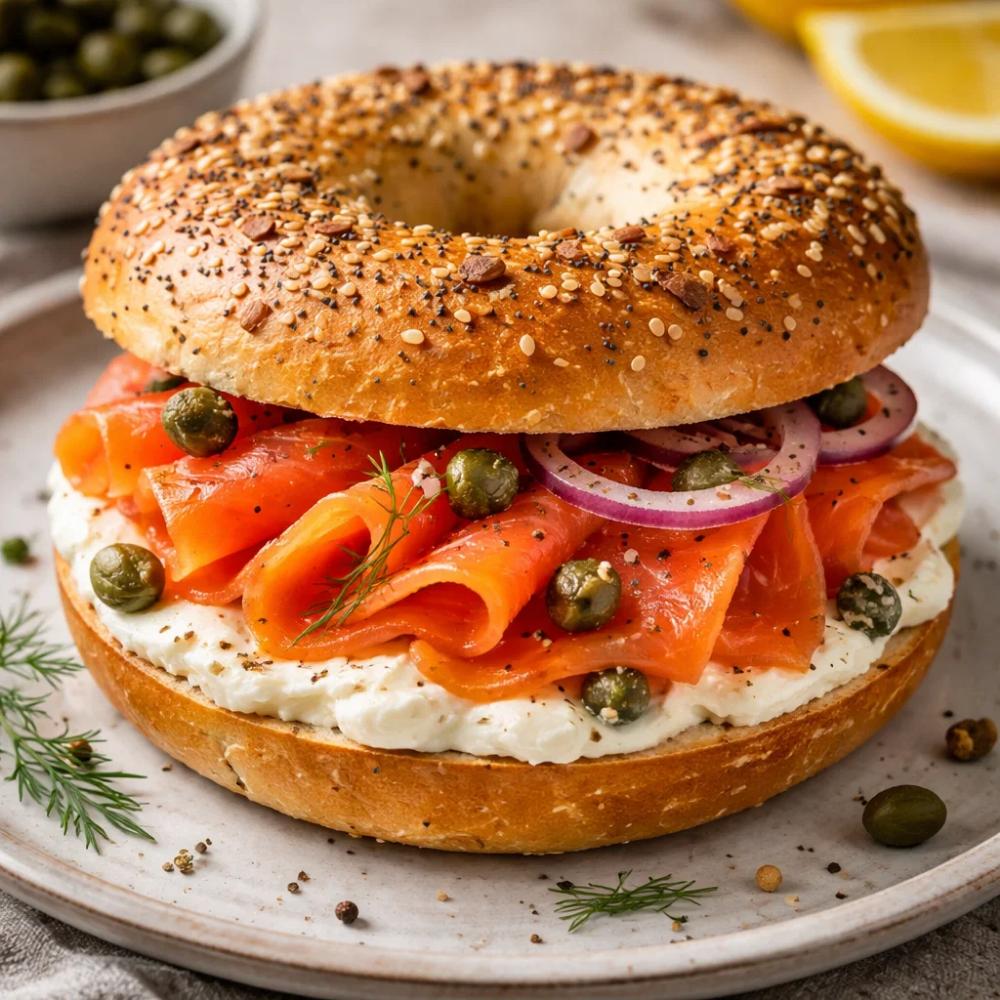
Fold in 50g of flaked smoked salmon and a teaspoon of capers off the heat. Serve on toasted bagels with a squeeze of lemon.
Herbed Scrambled Eggs
Fold in 2 tablespoons of finely chopped chives, dill, and tarragon just before serving for a bright, fresh flavour.
Cheese Scrambled Eggs
Add 30g of grated Gruyère or sharp Cheddar during the last 30 seconds and fold through until just melted.
Truffle Scrambled Eggs
Add 5–6 drops of truffle oil and a pinch of flaky salt before serving. Serve on brioche toast for an indulgent weekend breakfast.
What to Serve With
Perfect pairings to complete the meal
Buttered Toast
Sourdough or granary toast adds texture and substance to the soft, creamy eggs. Butter while hot.
Smoked Salmon
Cold-smoked salmon alongside scrambled eggs is a classic pairing — the saltiness of the salmon complements the rich, buttery eggs perfectly.
Sautéed Mushrooms
Earthy, buttery mushrooms alongside scrambled eggs make a more substantial breakfast without adding significant calories.
Roasted Tomatoes
Halved cherry tomatoes briefly roasted or blistered in a pan add acidity and freshness that cuts through the richness of the eggs.
Storage & Make-Ahead
Keep it fresh and plan ahead
Refrigerator
Not recommended. Scrambled eggs change texture when stored and reheated, becoming watery and tough.
Freezer
Not suitable for freezing.
Make-Ahead
Beat the egg mixture up to 2 hours ahead and keep covered in the fridge. Cook immediately before serving.
Reheating
If necessary, reheat gently in a non-stick pan over low heat with a tiny knob of butter, stirring for 30–60 seconds. Avoid the microwave.
Be the first to review this recipe!
Got Leftovers?
Turn what you already have in your fridge into delicious meals. Our AI-powered generator creates personalized recipes from your ingredients.
You Might Also Like
Discover more delicious recipes similar to what you're cooking