What to Do With Leftovers — 15 Meals From What You Already Have
Don't throw it away. Here are 15 ideas for turning common leftovers — cooked chicken, rice, vegetables, pasta — into genuinely good meals.
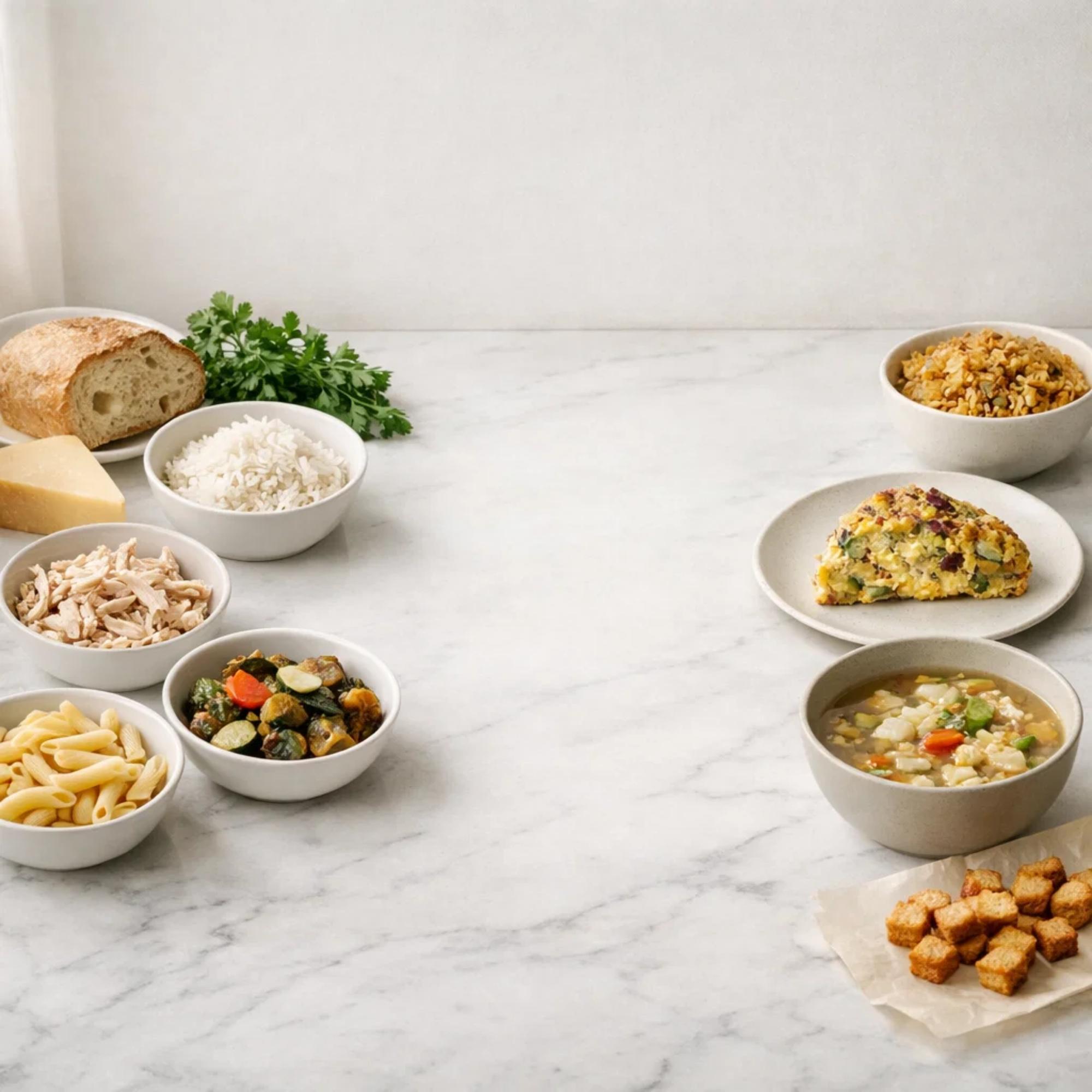
The average household throws away a significant portion of the food it buys — not because people want to, but because they don't know what to do with what's left. A roast chicken carcass. Half a pot of cooked rice. The last few vegetables before the weekly shop. These aren't waste: they're the ingredients for some of the best quick meals in any cuisine.
Leftover cooking is one of the most valuable cooking skills there is. It forces resourcefulness, teaches you to think about ingredients rather than recipes, and often produces meals that are better than the original — because the base has already developed flavour.
This guide is organised by what you have left over, with specific meal ideas for each category. Use it as a reference when you're staring into the fridge with no plan — and if you have multiple ingredients you need to use up at once, our leftover generator turns the contents of your fridge into a full recipe.
Leftover Cooked Chicken
Can't decide what to make? Let our generator pick for you instantly.
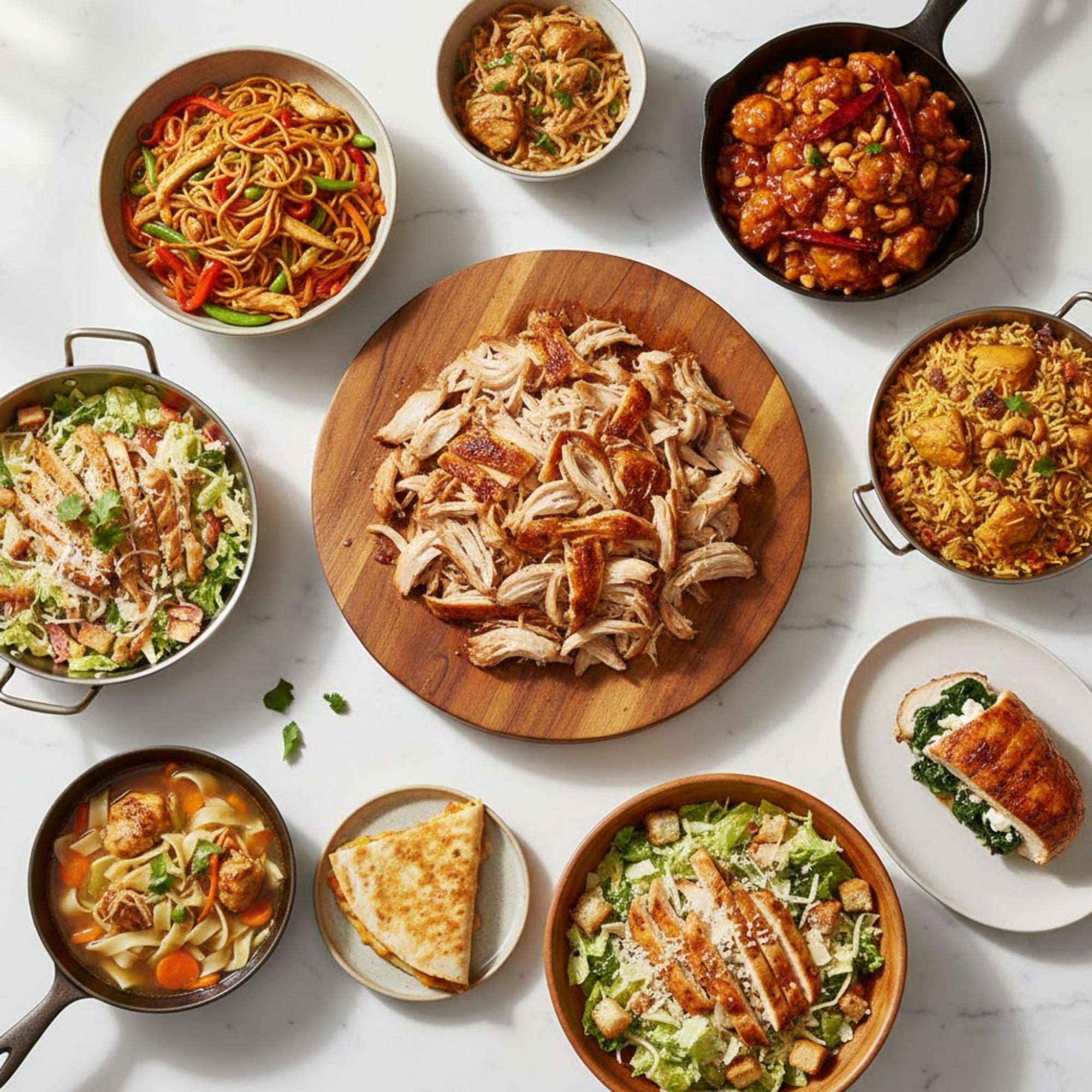
Generate a Random Recipe →Cooked chicken is one of the most versatile leftovers there is. It's already tender, already flavoured, and needs only a few minutes of heating. The following recipes all work with any cooked chicken — roast, poached, grilled, or store-bought rotisserie.
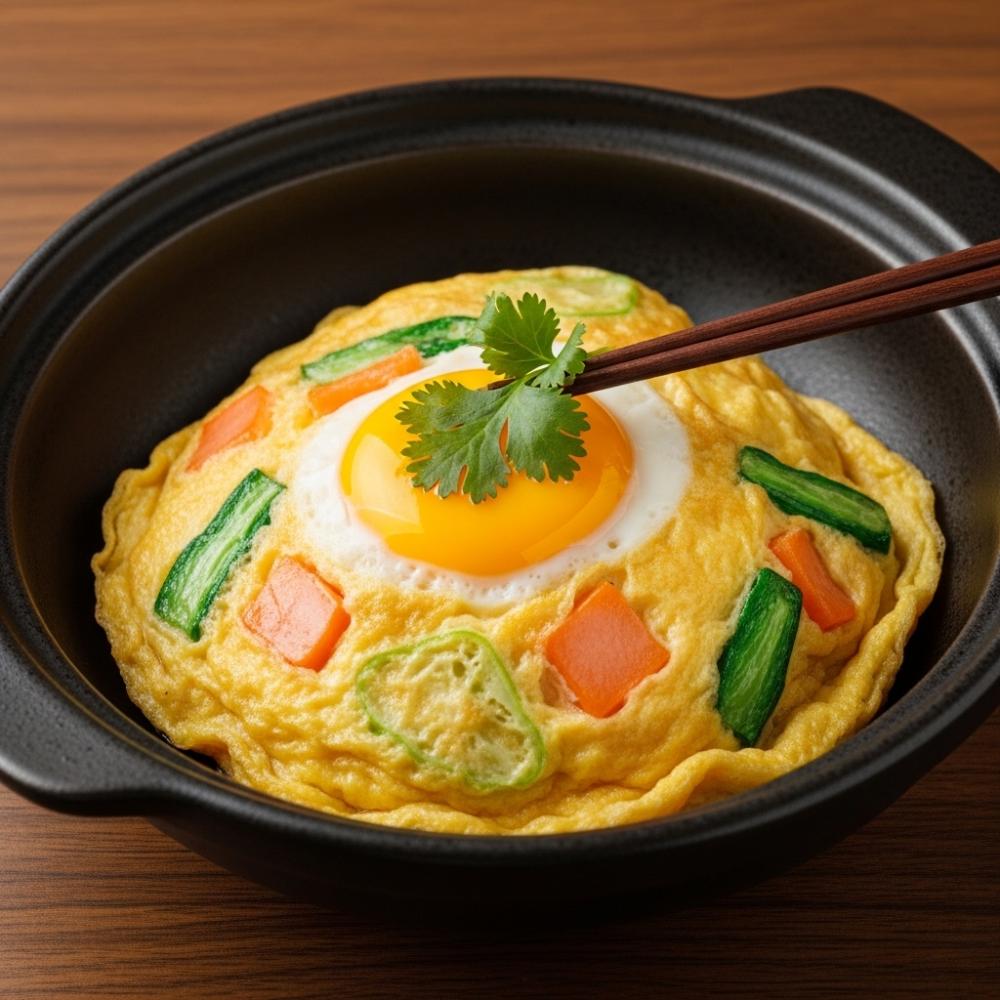
Classic Egg Foo Young
Fluffy, pan-fried egg patties filled with crisp bean sprouts and green onions, served smothered in a rich, savory brown gravy. A comforting Chinese-American favorite perfect for two.
Egg foo young uses leftover cooked chicken as its natural base. Shred the chicken, combine with beaten eggs and vegetables, cook into savoury patties, and serve with the simple brown sauce. One of the most satisfying and underrated ways to repurpose roast chicken.
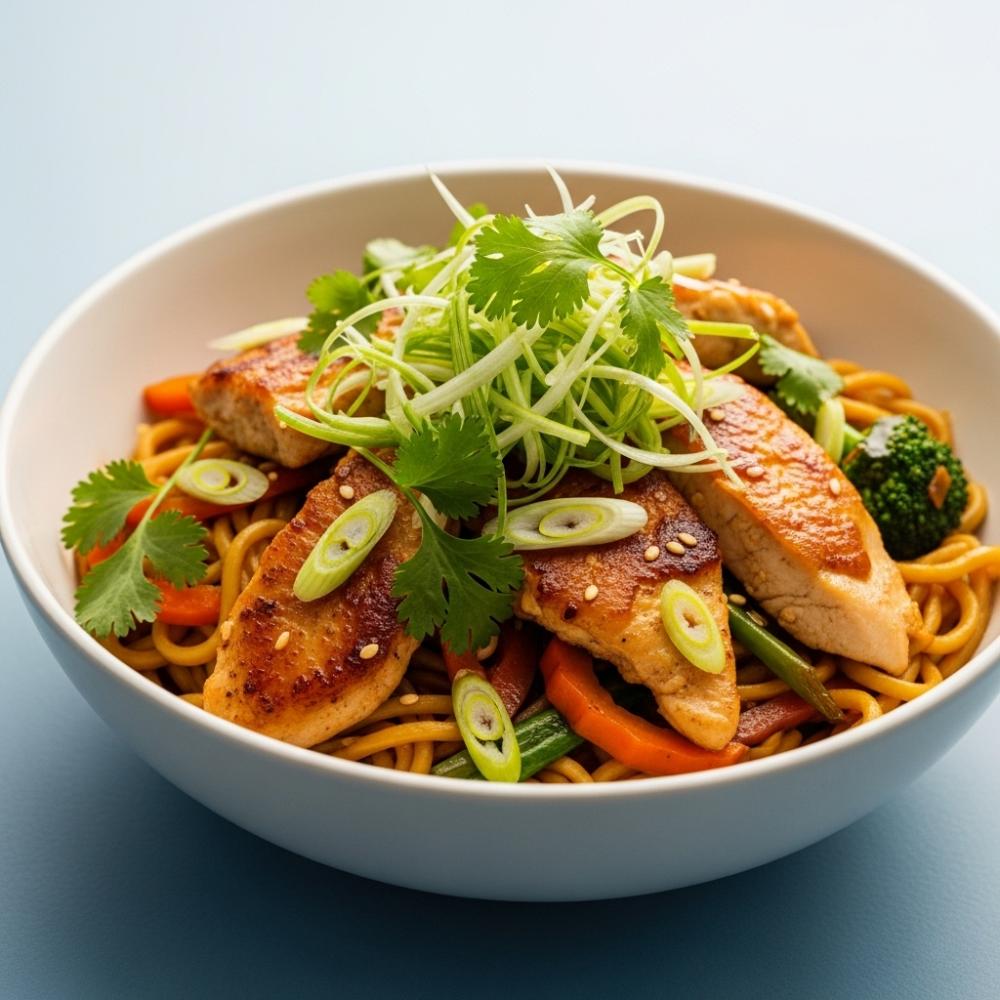
Simple Chicken and Vegetable Lo Mein
A quick and easy version of the classic Chinese-American noodle dish, featuring tender chicken and crisp vegetables tossed with soft noodles in a light, savory sauce. Perfect for a weeknight meal for two.
Lo mein is built for leftover proteins. Add shredded cooked chicken to noodles, whatever vegetables you have, and a quick sauce of soy, oyster sauce, and sesame oil. Ready in 12 minutes and genuinely better than takeaway.
Leftover Cooked Rice
Day-old rice is better for fried rice than fresh rice — the grains have dried out slightly, which means they separate in the wok rather than clumping together. If you have leftover cooked rice, fried rice should always be the first thing you think of.
Other uses for leftover rice: congee (rice porridge — simmer with chicken stock until soft), rice pudding, stuffed peppers, or as a base for grain bowls with roasted vegetables and a tahini dressing.
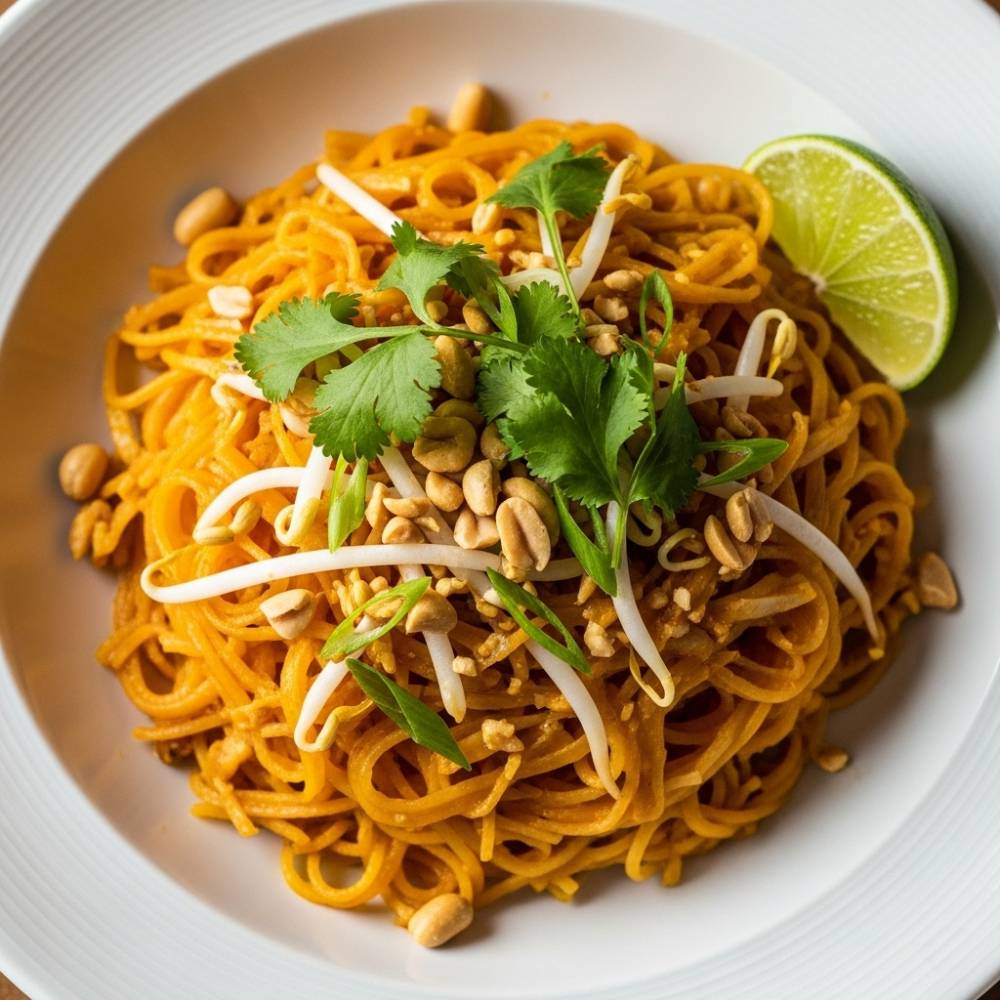
Spaghetti Squash Pad Thai
A low-carb and flavorful twist on the classic Thai noodle dish, using spaghetti squash strands instead of noodles, tossed with tender tofu, crisp vegetables, and a tangy peanut-lime sauce. A healthy and satisfying meal for two.
While this recipe uses spaghetti squash rather than rice noodles, the technique and sauce translate directly to leftover rice — making a rice-based pad thai that uses up cooked rice and whatever protein and vegetables you have on hand.
Leftover Vegetables and Herbs
Leftover roasted vegetables, wilting salad leaves, and the last herbs in the bag can all be rescued with the right approach. The key is heat — most vegetables that have gone slightly soft become excellent when roasted briefly, puréed into soup, or added to eggs.
Wilting herbs become pestos. Soft tomatoes become sauces. Roasted vegetables become frittatas or pasta fillings. Limp carrots and celery become stock. Nothing in the vegetable drawer is actually waste — it's just ingredient potential.
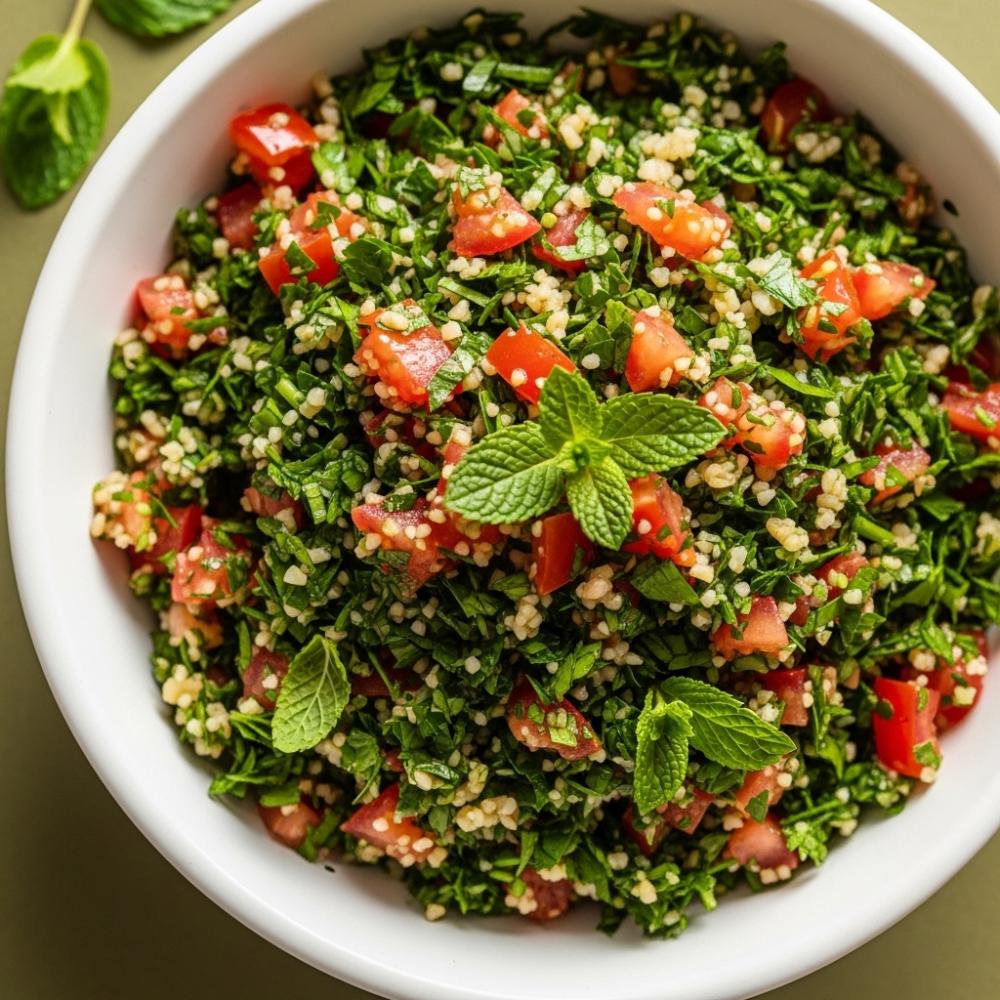
Fresh Tabbouleh Salad
A light and zesty Middle Eastern salad bursting with fresh herbs, juicy tomatoes, and fine bulgur, all dressed in a simple lemon and olive oil dressing. It's a refreshing side dish perfect for two.
Tabbouleh is one of the best uses for wilting flat-leaf parsley, which is the dominant herb in the dish. It also uses up any leftover bulgur wheat and makes a complete side dish or light lunch that gets better as it sits. Scale up easily if you have a large bunch of parsley to use.
15 Leftover Meal Ideas — Quick Reference
By leftover ingredient — pick what you have:
- Leftover roast chicken → chicken soup (simmer carcass with vegetables for stock), chicken quesadillas, egg foo young, chicken fried rice, lo mein.
- Leftover cooked rice → egg fried rice with any vegetables and soy sauce, congee, arancini-style rice balls, stuffed peppers.
- Leftover pasta → baked pasta (mix with cheese sauce and bake), frittata (combine with beaten eggs and pan-fry), pasta salad with vinaigrette and vegetables.
- Leftover roasted vegetables → frittata or omelette filling, soup (blend with stock), pasta sauce (blend with tinned tomatoes), grain bowl topping.
- Leftover mashed potato → potato cakes (shape and pan-fry), potato soup (thin with stock), gnocchi, shepherd's pie topping.
- Leftover bread → breadcrumbs (blitz and freeze), croutons (cube, oil, season, bake), panzanella (Italian bread salad), French toast, bread pudding.
- Leftover cooked beans → quesadilla filling, soup addition, dip (blend with garlic and olive oil), burrito bowl.
- Wilting herbs → pesto (basil or parsley with olive oil, garlic, Parmesan, pine nuts), herb oil, herb butter (mix into softened butter and freeze).
- Soft tomatoes → simple tomato sauce (sauté with garlic and olive oil), shakshuka base, tomato soup.
- Leftover cheese rinds → add to soups and stews while cooking for depth of flavour (Parmesan rinds are especially good in minestrone).
- Egg yolks → hollandaise, carbonara sauce, crème brûlée, lemon curd, custard.
- Egg whites → meringues, pavlova, macarons, adding to scrambled eggs for extra volume, angel food cake.
Have specific ingredients left over and not sure what to make? Tell our AI recipe generator what you have and it will create a full recipe around your leftovers — ingredients, steps, and all.
Generate a Recipe From Your LeftoversHow to Think About Leftover Cooking
The most useful shift in thinking about leftovers: stop asking 'what recipe uses this ingredient' and start asking 'what cooking method suits this ingredient in its current state'. Soft, overcooked vegetables become soup. Dry, day-old bread becomes croutons. Day-old rice becomes fried rice. The ingredient's current state determines the best method.
A well-stocked pantry makes leftover cooking dramatically easier. Tinned tomatoes, tinned beans, soy sauce, stock, eggs, pasta, and rice are the bridge ingredients that turn almost any leftovers into a complete meal. Keep these stocked consistently and you'll always have a path forward.
Bottom Line
Leftovers are not a problem to solve — they're an ingredient to use. The fridge at the end of the week is an opportunity for some of the most creative and satisfying cooking you'll do. When in doubt, use the leftover generator to take whatever you have and turn it into a complete meal without the guesswork.
Frequently Asked Questions
Four excellent options: (1) strip the meat and make chicken fried rice or lo mein — 15 minutes and genuinely better than takeaway; (2) make egg foo young with the shredded meat, eggs, and whatever vegetables you have; (3) simmer the carcass with onion, carrot, celery, and bay leaves for 2 hours to make chicken stock; or (4) make a quick chicken quesadilla or chicken soup. The carcass often has more value than the remaining meat — stock from a roast chicken is one of the best kitchen assets you can have.
Cooked meat and fish: 2 to 3 days. Cooked vegetables: 3 to 4 days. Cooked rice: 1 to 2 days (rice carries bacteria that multiply quickly — cool it fast after cooking, refrigerate promptly, and reheat to piping hot throughout). Soups and stews: 3 to 4 days and often improve. When in doubt, smell it and use your judgement — most leftover food that's gone off is obvious.
Yes, if handled incorrectly. Rice can harbour Bacillus cereus, a bacteria that produces heat-resistant toxins when rice is left at room temperature. The solution is simple: cool leftover rice quickly (spread on a wide plate to speed cooling), refrigerate within one hour of cooking, and reheat to piping hot throughout before eating. Never leave cooked rice at room temperature for more than two hours.
Soup is the most efficient solution — almost any combination of vegetables can be sautéed with garlic and stock and blended into a passable soup. A vegetable frittata is equally useful — slice or roughly chop vegetables, cook briefly in an ovenproof pan, pour over beaten eggs, and finish in the oven. Both work with almost any vegetable combination and can be made in 20 to 25 minutes.
Can't decide what to make? Let our generator pick for you instantly.
Generate a Random Recipe →Tags:
Related Articles
Ready to Try These Recipes?
Browse our complete recipe collection for more cooking inspiration!