Italian Recipes for Beginners — 8 Classics You Can Actually Make at Home
These 8 Italian recipes are beginner-friendly, use everyday ingredients, and taste genuinely authentic. Start with carbonara, end with tiramisu.
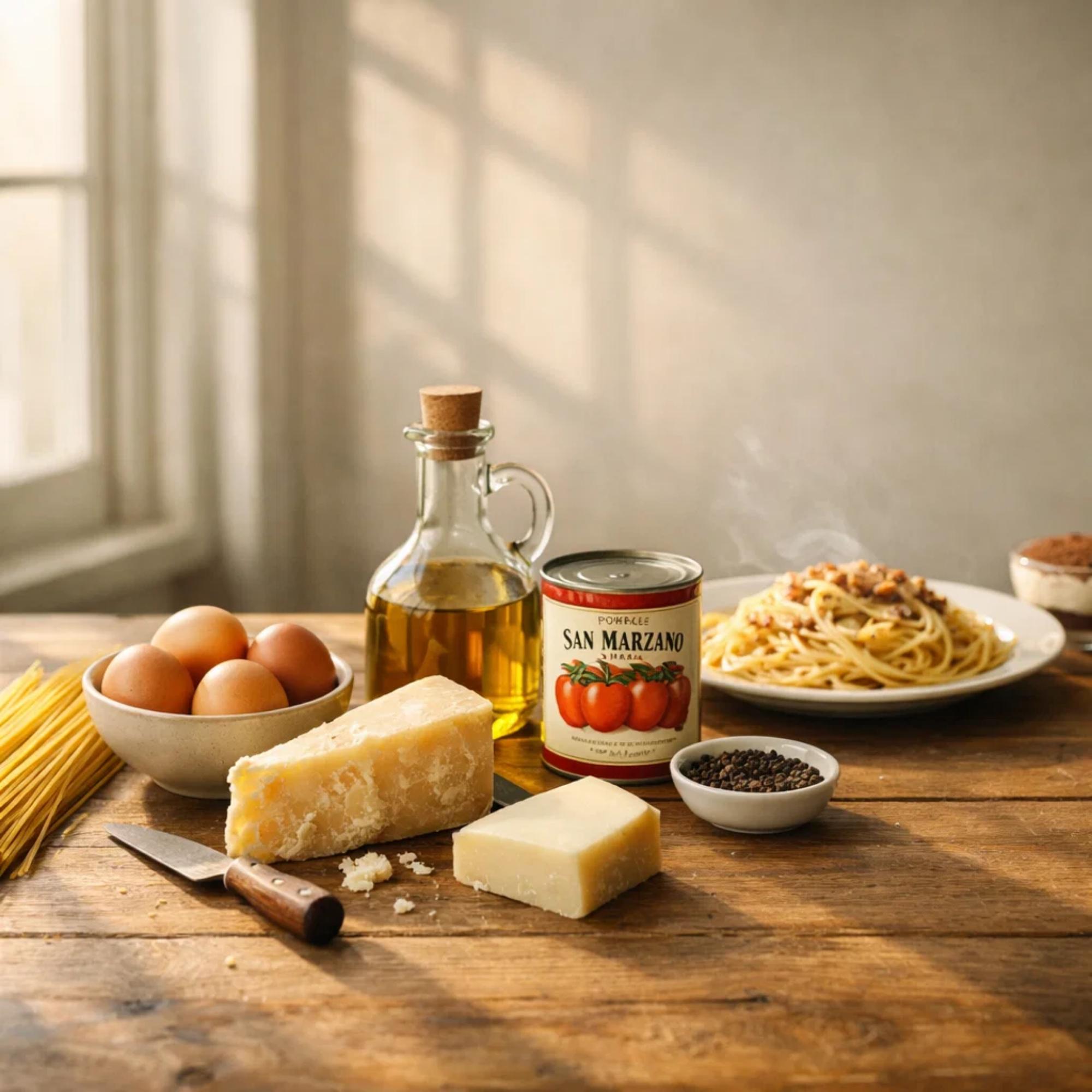
Italian cooking has a reputation for being either effortlessly simple or dauntingly technical. The reality is somewhere in the middle — and much closer to simple than most people expect. The classics are built on a small number of high-quality ingredients, straightforward techniques, and a few core principles that, once understood, make every Italian recipe approachable.
The biggest myth about Italian cooking is that it requires specialist ingredients you can't find locally. With the exception of a few items — guanciale for carbonara, '00' flour for fresh pasta — almost everything in these recipes is available in a standard supermarket.
Italian cuisine rewards attention to detail over complex technique. The difference between a good carbonara and a great one isn't skill — it's understanding why the sauce can't touch direct heat. Once you understand the why, the how becomes obvious.
8 Classic Italian Recipes for Beginners
Can't decide what to make? Let our generator pick for you instantly.
Generate a Random Recipe →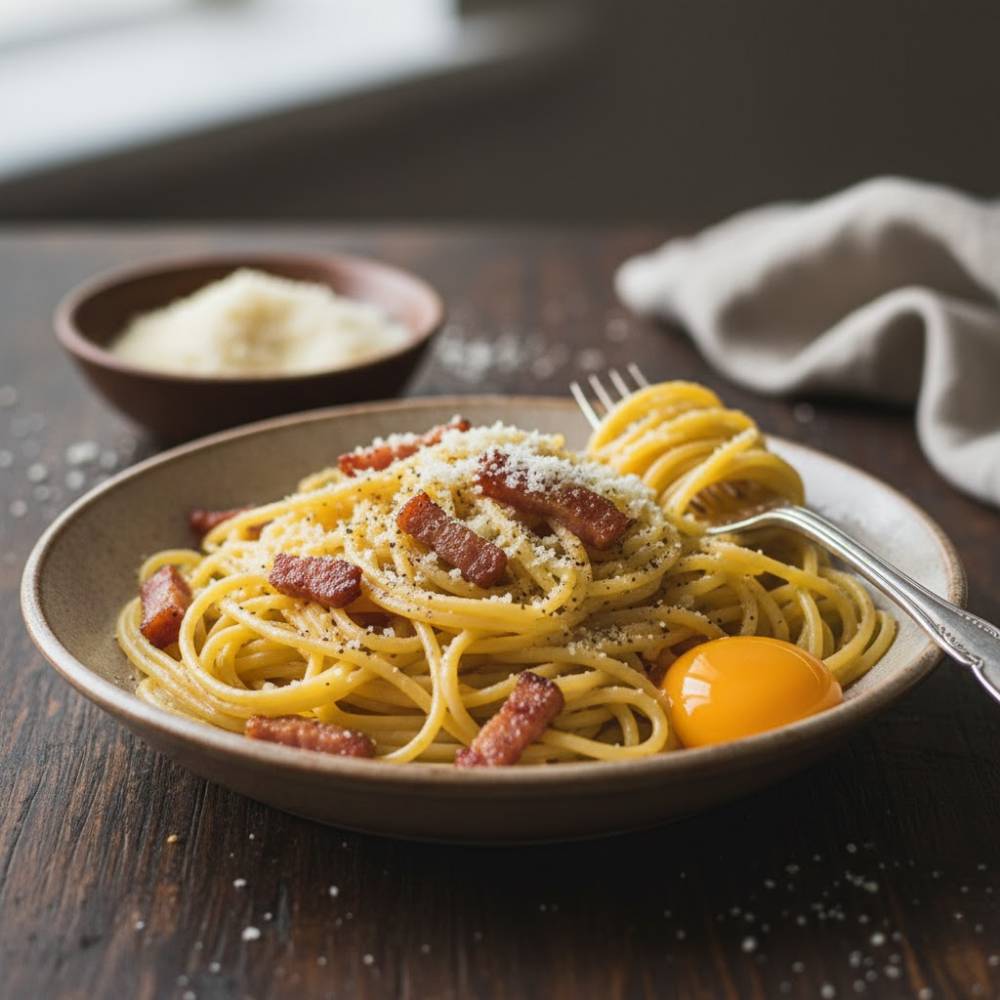
Authentic Spaghetti Carbonara (No Cream, Traditional Method)
The real Roman carbonara: silky, golden pasta coated in a luscious sauce made from eggs, Pecorino Romano cheese, guanciale, and black pepper. No cream, no garlic, no compromise—just pure Italian perfection.
The dish that separates Italian cooking myths from reality. No cream — ever. The silky sauce comes from egg yolks, Pecorino Romano, and pasta water. It's genuinely achievable on your first attempt if you follow the instructions. One of the most satisfying things you can learn to make.
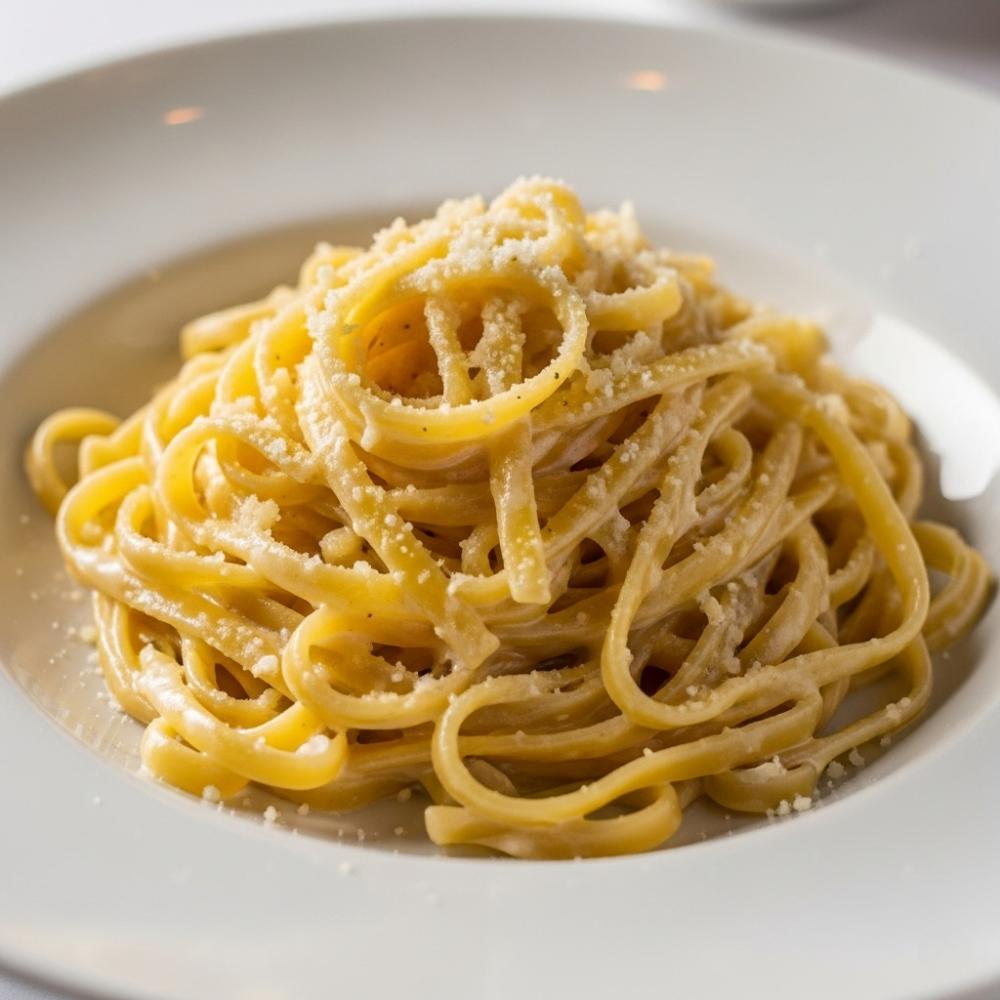
Classic Fettuccine Alfredo
A rich and creamy Italian-American pasta dish featuring tender fettuccine noodles coated in a luxurious sauce made with butter, heavy cream, and Parmesan cheese. A comforting meal for two.
Even simpler than carbonara — butter, Parmesan, and pasta water. The Roman original (not the American cream-sauce version) is one of the clearest examples of Italian cooking philosophy: exceptional quality of ingredients, minimal interference. Ready in 20 minutes.
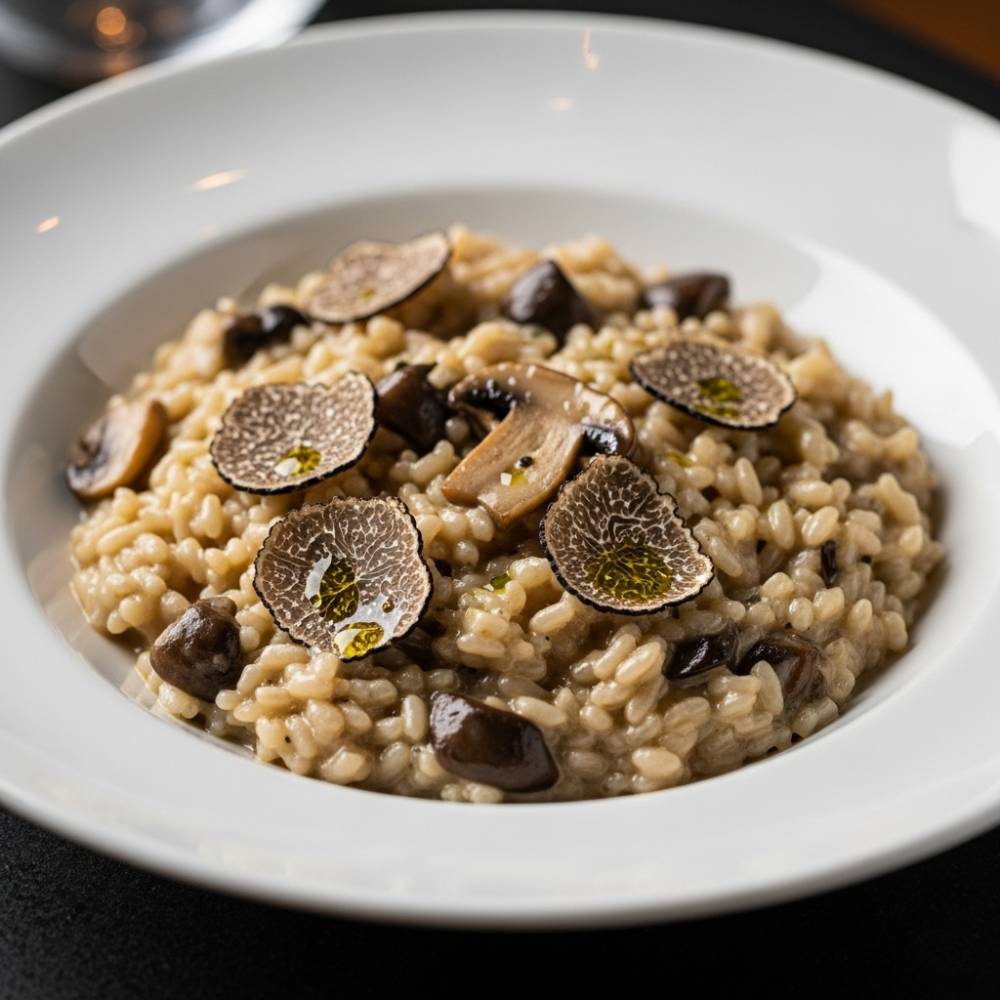
Mushroom Truffle Risotto
A luxurious and creamy Italian risotto featuring earthy mushrooms and a decadent hint of truffle, finished with Parmesan cheese. A comforting and elegant meal for two.
Risotto is the Italian recipe that intimidates beginners most — and the one that requires the least skill once you understand it. The technique is just adding warm stock gradually and stirring. Mushroom and truffle risotto is the version that converts people to making risotto regularly.
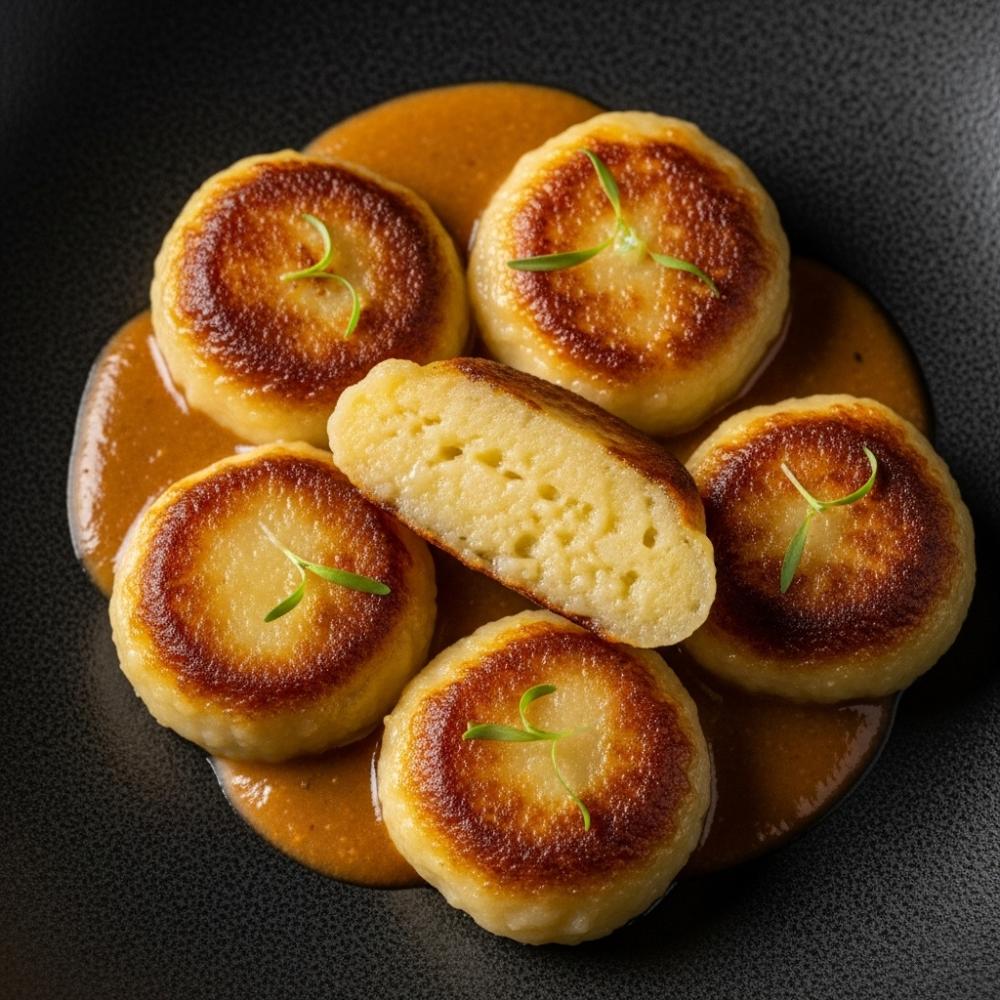
Gnocchi alla Romana
A classic Roman dish of tender, baked semolina gnocchi, often flavored with Parmesan cheese and butter. These disc-shaped gnocchi are creamy inside with a golden crust, perfect for a comforting meal for two.
Not the potato gnocchi you might be thinking of — gnocchi alla Romana uses semolina, milk, butter, and Parmesan, baked in the oven until golden. It's one of Italy's most elegant dishes and considerably easier than it looks. A dinner party recipe that takes about 45 minutes.
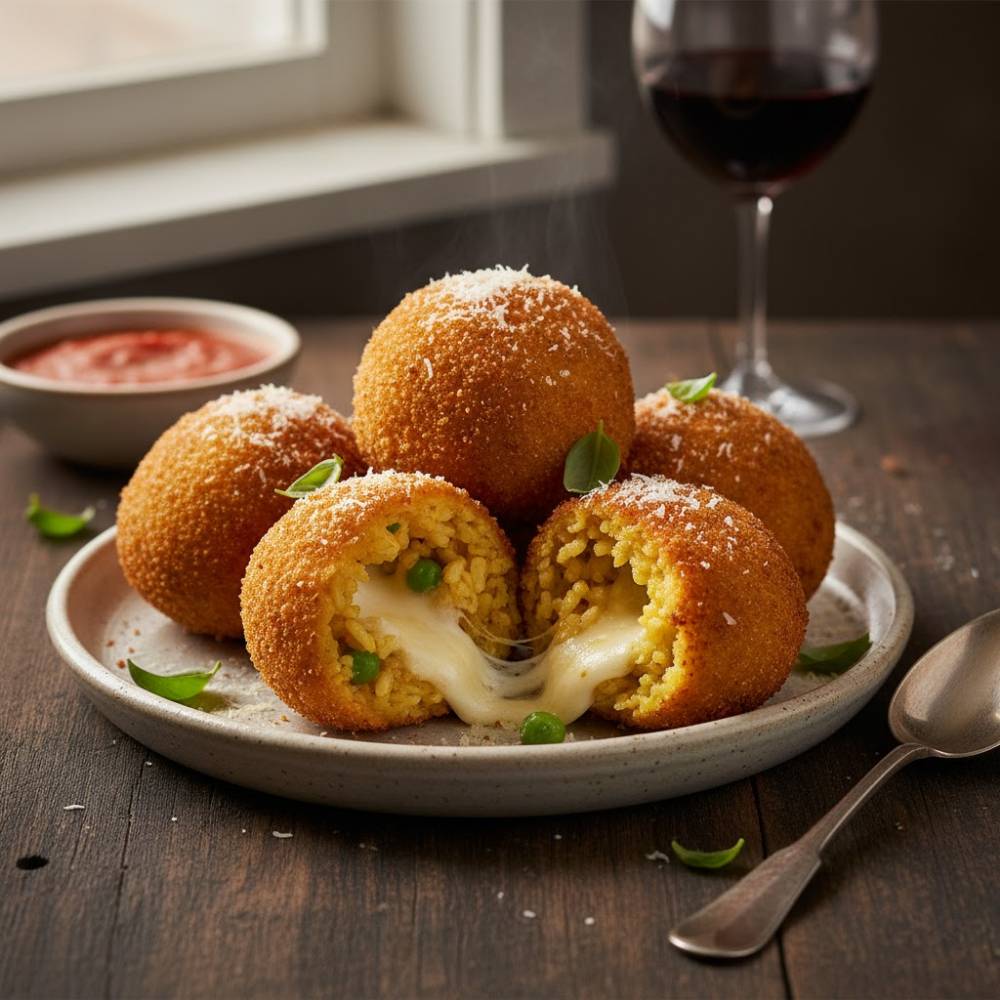
Crispy Arancini Recipe (Italian Fried Risotto Balls)
Golden, crispy-on-the-outside, creamy-on-the-inside fried risotto balls stuffed with melty mozzarella. These Sicilian street food classics are the ultimate way to transform leftover risotto into something extraordinary.
Fried risotto balls with a molten mozzarella centre — a Sicilian street food classic that's also one of the best ways to use leftover risotto. The technique is simple: shape, stuff, coat, fry. The result is spectacular.
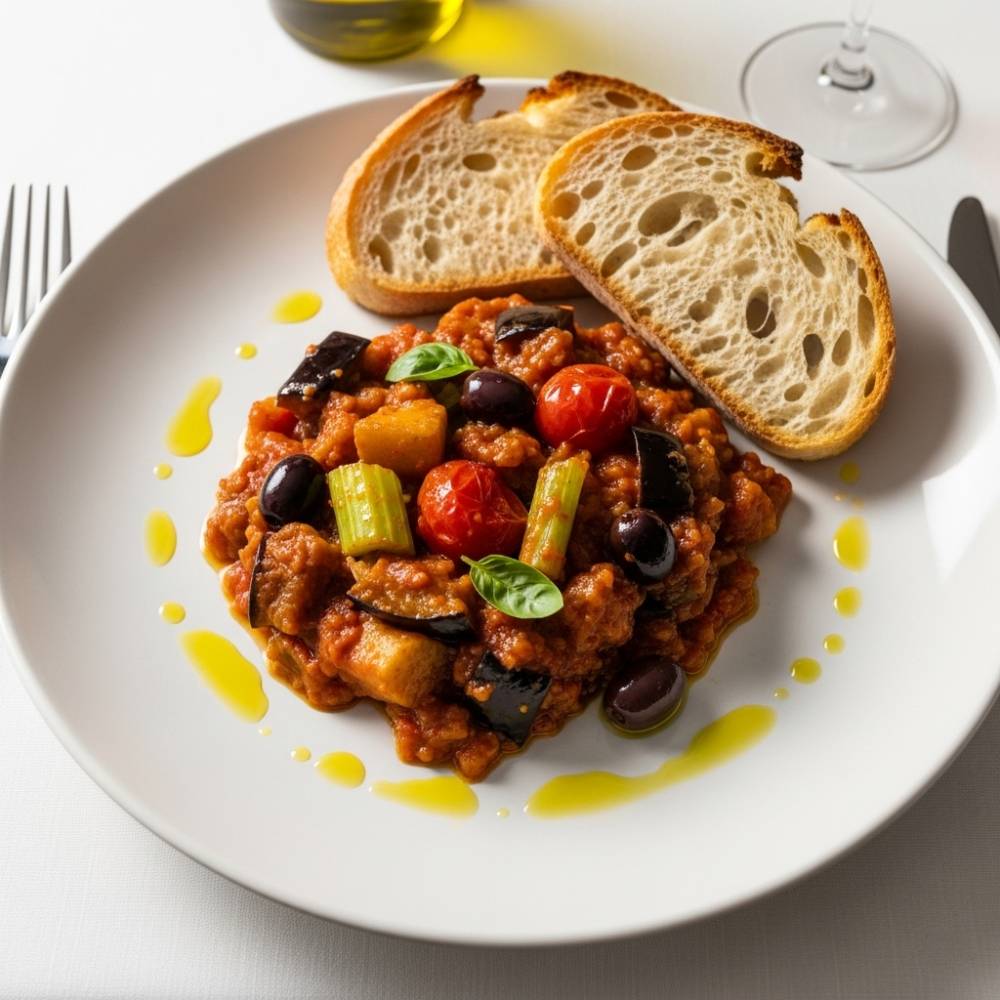
Sicilian Caponata with Crusty Bread
A sweet and sour Sicilian vegetable relish, featuring tender eggplant, bell peppers, celery, olives, and capers simmered in a rich tomato sauce. Served with crusty bread for a flavorful appetizer or light meal for two.
A Sicilian sweet-and-sour vegetable relish made with aubergine, tomatoes, olives, capers, and vinegar. Served at room temperature on toasted bread. Caponata is one of the most interesting and distinctive Italian regional dishes — and it's entirely vegetarian.
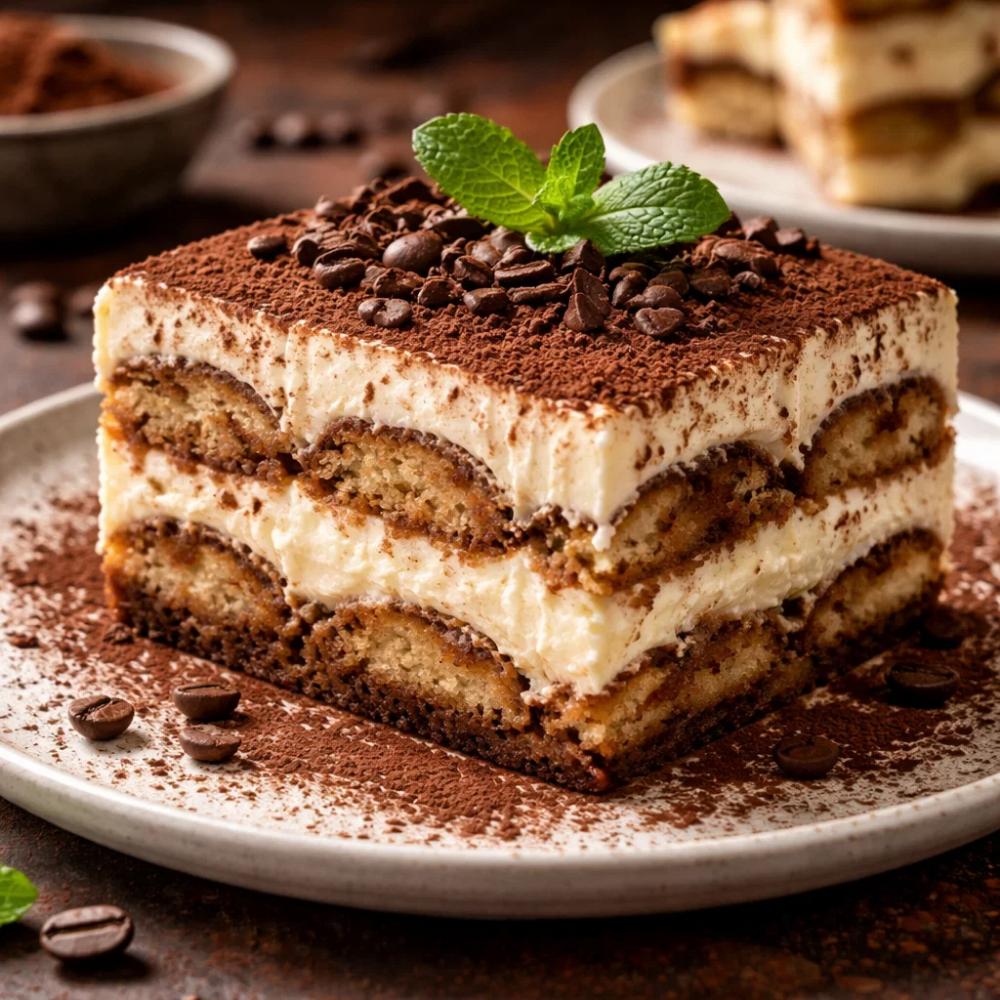
Tiramisu (Classic Italian Coffee Dessert — No Bake)
Espresso-soaked savoiardi biscuits layered with a rich mascarpone cream and dusted with cocoa. The definitive Italian dessert — no baking required.
The classic Italian dessert — espresso-soaked ladyfingers layered with mascarpone cream and dusted with cocoa. No baking required. Tiramisu is one of the few restaurant-quality desserts that's genuinely easy to make at home, and one of the most crowd-pleasing things you can bring to a dinner table.
The Italian Pantry Starter List
Keep these seven items stocked and you can make most classic Italian dishes at any time:
- Good extra virgin olive oil — the backbone of most Italian cooking. Spend slightly more than you think is necessary; the flavour difference is significant.
- Parmesan (Parmigiano-Reggiano) — buy a block and grate it fresh. Pre-grated Parmesan doesn't melt the same way and tastes noticeably inferior in cooked dishes.
- Pecorino Romano — saltier and sharper than Parmesan, essential for carbonara and cacio e pepe. Often used alongside Parmesan.
- Tinned San Marzano tomatoes — the standard for all tomato-based sauces. Better sweetness and lower acidity than generic tinned tomatoes.
- Good pasta — bronze-die extruded pasta has a rougher surface that holds sauce better. De Cecco and Rummo are reliable brands at a reasonable price.
- Capers and anchovies — small amounts add enormous flavour depth to sauces and salads. Both last months in the fridge once opened.
- Dried porcini mushrooms — a small bag adds intense, concentrated mushroom flavour to risottos and pasta sauces. Rehydrate in warm water before using.
Browse the full Italian recipe collection — pasta, risotto, pizza, antipasti, and regional classics.
Browse Italian RecipesLooking specifically for pasta recipes? Browse the full pasta collection with filters by sauce type and cooking time.
Browse Pasta RecipesBottom Line
Start with carbonara. It teaches you the most important lesson in Italian cooking: that restraint and technique matter more than complexity. Once you can make a great carbonara, the rest of Italian cooking begins to make sense. Work through this list in order and you'll have covered the essential techniques — pasta, risotto, baking, frying, and dessert — within a few weekends.
Frequently Asked Questions
Spaghetti carbonara. It uses only five ingredients, takes about 25 minutes, teaches you the crucial technique of building a sauce with egg and cheese off direct heat, and is one of the most impressive things you can make for its simplicity. Once carbonara is in your repertoire, cacio e pepe, amatriciana, and Alfredo all become straightforward variations on the same technique.
No specialist equipment is required for any of these recipes. A large pasta pot, a wide frying pan or sauté pan, and a box grater are the only tools you need. A spider strainer (for lifting pasta out of water) is useful but optional. A ricer helps with potato gnocchi but isn't needed for any recipe on this list.
Parmesan is genuinely difficult to substitute in recipes where it's a key structural ingredient — carbonara and Alfredo rely on it for flavour and texture. Pecorino Romano works in most pasta recipes and is more traditional in Roman dishes. Grana Padano is milder and less expensive, and works as a substitute in most contexts. Avoid pre-grated cheese if at all possible as it doesn't melt properly.
Italian cooking is defined by ingredient quality over technique complexity. The philosophy is that exceptional ingredients, treated simply and cooked correctly, produce better results than average ingredients handled with elaborate techniques. This is why Italians are particular about things like the variety of olive oil, the region a tomato comes from, and whether pasta water is adequately salted — these things genuinely matter and are worth the attention.
Can't decide what to make? Let our generator pick for you instantly.
Generate a Random Recipe →Tags:
Related Articles
Ready to Try These Recipes?
Browse our complete recipe collection for more cooking inspiration!